
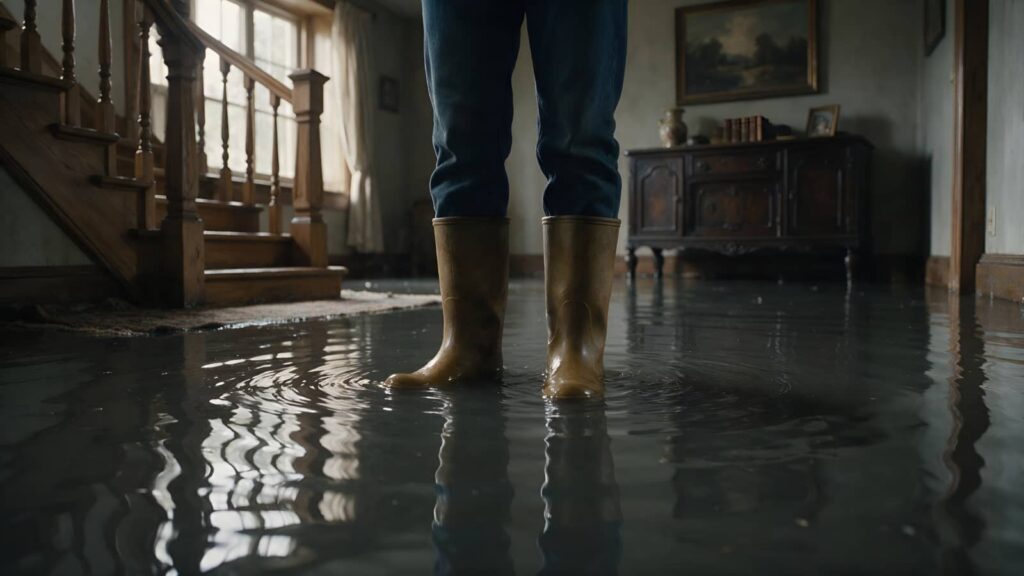
When you face water damage, identifying the cause is just the first step. You need to act quickly to minimize the impact on your property and prevent mold growth. Understanding the essential steps for emergency cleanup can make a significant difference in recovery outcomes. As you navigate this challenging situation, knowing how experts assess damage and what techniques they use for effective drying can prove invaluable. What comes next could change your approach entirely.
Key Takeaways
- Identify common causes of water damage, such as plumbing failures and roof leaks, to prevent future issues.
- Act quickly to mitigate damage, preventing mold growth and structural risks with immediate cleanup steps.
- Engage experts for thorough evaluations and moisture assessments to determine the best restoration methods.
- Utilize advanced drying techniques and regular monitoring to ensure effective moisture removal and prevent mold.
- Understand insurance coverage and document all damage to facilitate smooth claims processing and informed restoration choices.
What Causes Water Damage and How to Identify It?
Water damage can strike unexpectedly, whether from a sudden leak, a flood, or a burst pipe, and recognizing the signs early is vital to minimizing the impact on your property.
Common causes include plumbing failures, roof leaks, and appliance malfunctions. Look for water stains on walls or ceilings, mold growth, and a musty odor; these indicators signal potential damage.
When you identify these issues, it’s important to act quickly. Water damage restoration involves evaluating the extent of the damage, removing standing water, and drying affected areas to prevent further complications.
Why Immediate Response Is Critical for Water Damage
When a leak or flood occurs, swift action is essential to mitigate the damage. Delaying your response can lead to severe structural issues, mold growth, and increased repair costs.
Water seeps into materials, weakening them and creating an unsafe environment. You mightn’t see immediate effects, but hidden moisture fosters mold, which can affect your health and wellbeing.
Responding quickly protects your property and preserves your peace of mind. By acting fast, you can minimize loss and ensure a smoother restoration process.
Essential Steps for Emergency Water Cleanup
When water damage strikes, your first step is to assess the situation thoroughly.
You need to act quickly to extract any standing water and begin the drying and dehumidification process.
Taking these actions promptly can greatly reduce long-term damage and restore your space effectively.
Assessing The Damage First
Before diving into the cleanup process, it’s crucial to assess the damage to accurately determine the extent of the water intrusion.
Start by inspecting all affected areas, including walls, floors, and ceilings. Check for visible water, warping, or discoloration, which can indicate deeper issues.
Don’t forget to examine hidden spaces like crawlspaces or basements, as water often hides there. Document everything with photos for insurance purposes.
Pay attention to the materials involved; some may need immediate attention while others can be dried out.
This assessment isn’t just a checklist—it’s about understanding your space and its needs.
Immediate Water Extraction
After evaluating the damage, the next step is immediate water extraction to prevent further deterioration. You’ll want to act quickly; every moment counts.
Start by turning off the electricity to avoid hazards. Use a wet/dry vacuum or pump to remove standing water—this is essential to safeguarding your property.
Don’t forget to check hidden areas like basements or crawl spaces; water can accumulate there unnoticed. As you extract, monitor moisture levels and be prepared for potential mold growth, which can develop rapidly.
Drying And Dehumidification Process
As the water extraction process concludes, it’s essential to shift your focus to drying and dehumidification, which are important for preventing long-term damage and mold growth.
Begin by using high-powered fans and dehumidifiers to circulate air and remove moisture from affected areas. Make sure that you target hidden spaces like behind walls and under floors, as moisture can linger there.
Monitor humidity levels frequently; ideally, you want to maintain them below 60%.
This step isn’t just about drying your space; it’s about safeguarding your home and providing peace of mind.
How Do Experts Evaluate Water Damage Restoration Needs?
How can you determine the extent of water damage in your property? Experts start by conducting a thorough inspection, checking for visible signs like discoloration, warping, or mold growth.
They use specialized tools to measure moisture levels in walls and floors, identifying hidden damage that mightn’t be immediately apparent.
They assess the source of the water—whether it’s clean, gray, or black—to establish appropriate restoration methods.
Additionally, they evaluate the impact on your belongings, ensuring you understand what can be salvaged.
This empathetic approach addresses technical needs and supports you through a challenging time, helping you feel secure in the restoration process as you work towards reclaiming your home.
Top Techniques for Efficient Structural Drying
When you face water damage, efficient structural drying is essential to prevent further issues.
Using advanced air movement techniques, effective dehumidification methods, and precise moisture detection tools can greatly speed up the drying process.
Each of these techniques plays an important role in restoring your property and protecting it from long-term damage.
Advanced Air Movement
While water damage can be overwhelming, employing advanced air movement techniques can greatly expedite the structural drying process. You’ll want to strategically position high-velocity fans to create efficient airflow, focusing on damp areas.
Consider using air movers to direct air across surfaces, breaking up moisture pockets. This technique speeds up evaporation and helps prevent mold growth.
Incorporating cross-ventilation can further enhance drying; opening windows opposite each other allows fresh air to circulate.
Monitor humidity levels regularly, adjusting fan placement as needed to maintain ideal airflow. By applying these advanced techniques, you’ll protect your property and foster a sense of security and belonging in your space during this challenging time.
Dehumidification Methods
As you navigate the challenges of water damage restoration, implementing effective dehumidification methods is fundamental for achieving efficient structural drying.
Start by using refrigerant dehumidifiers, which cool the air to condense moisture, effectively reducing humidity levels.
Consider desiccant dehumidifiers, especially in colder climates, as they absorb moisture without cooling the air.
Utilize high-velocity air movers to enhance the drying process by increasing air circulation, helping dehumidifiers work more effectively.
It’s vital to monitor humidity levels regularly, ensuring they drop to safe thresholds.
Remember, the faster you dehumidify, the less risk there’s for mold growth.
Moisture Detection Tools
Effective moisture detection is essential for efficient structural drying, and utilizing the right tools can make all the difference in your restoration efforts.
Start with moisture meters, which provide immediate readings to pinpoint problem areas. Infrared cameras are invaluable, allowing you to visualize hidden moisture behind walls and ceilings.
Additionally, hygrometers measure humidity levels, helping you assess the environment’s drying conditions. It’s vital to use these tools together for a detailed understanding of moisture presence.
Remember, accurate detection accelerates drying while minimizing potential mold growth. By employing these techniques, you’re not just restoring a property; you’re ensuring a safe, healthy environment for yourself and your community.
Your commitment to thoroughness makes a significant impact.
Why Mold Prevention Is Crucial After Water Damage
Mold can begin to grow within 24 to 48 hours after water damage occurs, making swift action vital for your property’s safety. Ignoring mold prevention can lead to serious issues, affecting both your health and your home’s integrity.
Here’s why you should prioritize mold prevention:
Health Risks: Mold can trigger allergies, asthma, and other respiratory problems.
Structural Damage: Mold can weaken walls, ceilings, and floors, leading to costly repairs.
Odor Issues: Mold often produces a musty smell that’s hard to eliminate.
Property Value: Mold infestations can decrease your home’s market value considerably.
Taking proactive steps protects your investment and ensures a safe, comfortable living environment for you and your loved ones.
How to Navigate Water Damage Insurance Claims
After addressing the immediate concerns of mold following water damage, it’s equally important to understand how to navigate water damage insurance claims effectively.
Start by reviewing your policy to identify coverage limits and exclusions. Document the damage thoroughly—take photos and keep receipts for any expenses incurred during restoration.
When you file your claim, provide clear, organized documentation to your insurer. Be prepared to communicate regularly and advocate for yourself; insurance companies may request additional information or inspections.
Don’t hesitate to ask questions if something’s unclear. Finally, keep records of all interactions, as this will help facilitate a smoother process.
DIY vs. Professional Water Damage Restoration: Which to Choose?
How do you decide between tackling water damage restoration yourself or hiring a professional? It’s vital to weigh your options carefully. Here are four key factors to take into account:
Extent of Damage: If it’s a small area, DIY might be manageable. Larger issues require expert intervention.
Time Constraints: Professionals can often complete the job faster, minimizing further damage.
Tools and Expertise: Restoration requires specialized equipment and knowledge; do you have both?
Health Risks: Mold and other hazards can pose serious health risks; professionals know how to handle these safely.
Ultimately, choosing the right path depends on your situation and comfort level.
Best Practices for Preventing Future Water Damage
To effectively prevent future water damage, you need to focus on key areas like regular roof inspections, proper drainage systems, and routine plumbing maintenance.
These proactive measures help identify potential issues before they escalate into costly repairs.
Regular Roof Inspections
Regular roof inspections are essential for safeguarding your property against water damage, especially since even minor issues can escalate into major problems if left unaddressed.
By conducting routine checks, you ensure your roof remains intact and functional. Here are four best practices for effective inspections:
Schedule Biannual Inspections: Look for signs of wear or damage at least twice a year.
Check for Debris: Remove leaves and branches that can trap moisture and cause leaks.
Inspect Flashing and Seals: Verify these areas are intact to prevent water intrusion.
Look for Mold or Mildew: Address any signs immediately to protect your home’s structure.
Taking these steps preserves your roof and fosters a sense of community and care for your environment.
Proper Drainage Systems
While you mightn’t think about it often, having a properly designed drainage system is essential for preventing future water damage to your property.
Start by ensuring your gutters are clean and free of debris, allowing rainwater to flow freely. Downspouts should direct water at least six feet away from your foundation to prevent pooling.
Consider installing French drains or swales to redirect excess water away from vulnerable areas. It’s also important to check your landscaping; grading should slope away from your home.
Regularly assess your drainage systems, especially after heavy rains.
Routine Plumbing Maintenance
Maintaining your plumbing system plays an essential role in preventing water damage, complementing the efforts you’ve made with your drainage systems.
By regularly checking your plumbing, you can catch issues before they escalate. Here are four best practices to keep in mind:
Inspect for leaks: Regularly check pipes, faucets, and toilets for any signs of leakage.
Flush your water heater: This helps remove sediment buildup, extending its life and efficiency.
Test your sump pump: Confirm it’s functioning properly to handle heavy rains.
Clean gutters and downspouts: This prevents water from pooling near your foundation.
Resources for Effective Water Damage Recovery
When facing water damage, accessing the right resources can greatly expedite recovery and minimize long-term effects. Start by reaching out to local restoration companies with certified professionals who specialize in water damage. They’ve the equipment and expertise to handle everything from initial assessment to complete restoration.
Don’t overlook the importance of your insurance policy; contact your provider to understand coverage details, as this can substantially ease financial burdens. Additionally, online forums and community groups can offer valuable insights and support from others who’ve navigated similar challenges.
Finally, consider investing in preventative tools, like moisture meters and dehumidifiers, to safeguard against future incidents. You’re not alone in this; leveraging these resources can make a world of difference.
Frequently Asked Questions
How Long Does the Water Damage Restoration Process Typically Take?
The water damage restoration process typically takes 3 to 7 days, depending on the extent of the damage. Remember, “a stitch in time saves nine.” Quick action minimizes further issues and helps you regain peace of mind.
What Tools Do Professionals Use for Water Damage Restoration?
Professionals use tools like moisture meters, thermal imaging cameras, and industrial dehumidifiers. These devices help you quickly assess damage, dry out areas effectively, and ensure your property’s safety, restoring your home to its pre-loss condition.
Are There Health Risks Associated With Water Damage?
Yes, there are health risks associated with water damage. Mold growth, bacteria, and pathogens can thrive in damp environments, potentially causing respiratory issues, allergies, and infections. It’s essential to address water damage promptly for your safety.
How Can I Tell if My Property Is Fully Dry?
To determine if your property’s fully dry, check moisture levels with a hygrometer. Inspect for lingering odors or visible dampness. If everything feels dry and there’s no musty smell, you’re likely in the clear.
Can I Stay in My Home During Restoration?
You can stay in your home during restoration, but it’s often like walking through a construction zone. Assess the safety, air quality, and ongoing work—your comfort and health should always come first during this process.
Conclusion
In steering water damage restoration, your swift action can make all the difference. Imagine a family returning home to find their basement flooded, their cherished memories at risk. By employing the right techniques and seeking expert help, they prevented mold growth and salvaged their belongings. Remember, you’re not alone in this process. Armed with knowledge and resources, you can protect your home and ensure a successful recovery, making your space safe and secure once again.