
Ceiling Water Damage Repair
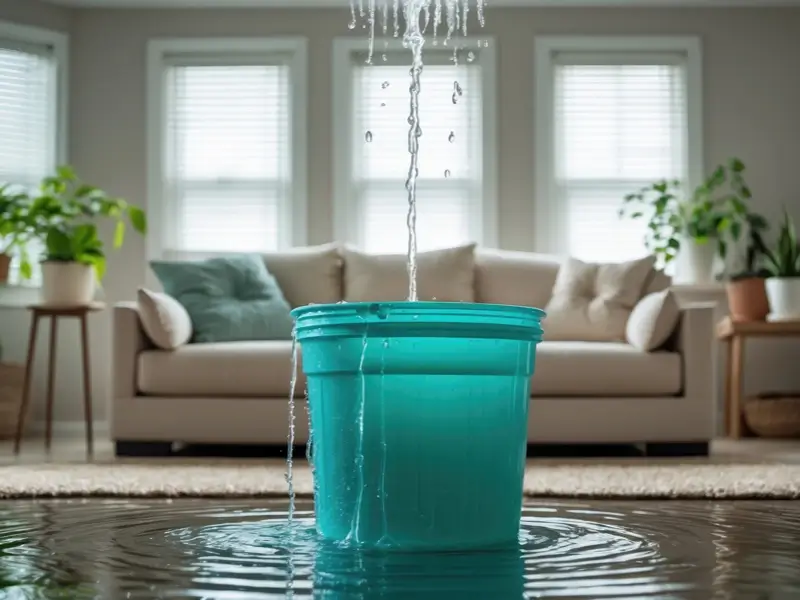
Overhead Leak Response
Ceiling Water Damage Repair From Roof to Drywall
A stain on the ceiling is rarely the full story. By the time discoloration or sagging shows up, water has been sitting in the insulation above for a while.
Ceiling water damage can come from a roof leak, a failed plumbing line, or an upstairs overflow, and each source needs a different approach. Certified technicians trace the source, then dry and repair the area before staining becomes a bigger problem.
Schedule Water Damage Ceiling Repair Before It Spreads
A stained or sagging ceiling can indicate water pooling above the surface, which can worsen quickly if left alone. Certified technicians identify the source, extract trapped moisture, and begin drying to help prevent further damage.
Where Leaks Start
Common Causes of Ceiling Leaks
Water leak ceiling damage can come from several different sources, and figuring out which one is involved changes how the repair needs to happen. A roof leak behaves differently than a slow plumbing leak from an upstairs bathroom, and both look different from condensation building up around an HVAC line.
Fortis Restoration Group traces the water back to its source before starting any repair work, since fixing the visible stain without addressing the cause usually means the same problem returns. Insulation above the ceiling is checked as well, since saturated insulation can hold moisture long after the drywall itself appears dry.

Testimonials
What Your Neighbors Are Saying


Signs of Ceiling Leak Water Damage
A ceiling can hide water damage for longer than you’d expect, especially in an attic space or between floors where nothing is visible day to day. Catching the early signs can help prevent a small leak from turning into a larger repair.
Watch for these signs of ceiling leak water damage in your home or business:
- Brown or yellow stains: Discoloration often spreads outward from the point where water first entered the ceiling.
- Sagging or bulging drywall: Trapped water adds weight to drywall, causing it to bow or droop over time.
- Peeling paint overhead: Moisture behind painted ceilings often causes paint to bubble or flake away from the surface.
- Musty odors from above: A persistent smell can point to hidden moisture or the start of mold growth in the ceiling cavity.
- Dripping or active leaks: Visible dripping means water has already saturated the materials above and needs immediate attention.
If you notice any of these signs, scheduling an inspection quickly can help prevent additional damage to the structure below.
Finding the Source
Why Choose Our Ceiling Repair Team
Ceiling water damage repair works best when the source of the leak is identified before any drywall or insulation gets replaced. Repairing the surface without solving the underlying problem usually means paying for the same repair again within a matter of months.
Fortis Restoration Group starts with a visual inspection of the affected area, checking for staining patterns, sagging, and any active dripping that points toward the water’s origin. Moisture meters are used on the ceiling itself, along with any accessible insulation or framing, to map out how far the water has actually traveled.
Once the source is addressed, whether that means a roof repair referral, a plumbing fix, or resolving condensation from an HVAC line, drying equipment is placed to remove the moisture that’s already accumulated. Saturated insulation or drywall that can’t be dried in place is removed and documented before replacement.
Insurance documentation is handled throughout the process, with photos and moisture readings collected to support your claim. Whether the leak came from the roof, an upstairs bathroom, or a rooftop unit, the same careful approach applies to every ceiling repair, no matter where in the property it happens to be or how the water first got in.
Frequently Asked Questions
How do I know if a ceiling stain means active water damage?
A stain that's growing, darkening, or accompanied by sagging usually means water is still present. A stable, dry stain from an old leak may not need immediate repair, but it's still worth having checked.
Can a small roof leak really cause serious ceiling damage?
Yes, even a slow leak can saturate insulation and drywall over time, especially during Gwinnett County's heavier rain seasons.
Will insurance cover ceiling water damage repair?
Many policies cover sudden water damage, though coverage for gradual leaks can vary. Documentation and photos are provided to support your specific claim.
Do you fix the roof or plumbing issue causing the leak?
The team focuses on water damage mitigation and can point you toward reliable roofing or plumbing partners to address the source directly.
How long does ceiling repair typically take after water damage?
Timelines depend on how much drywall and insulation need to be dried or replaced, but most projects are completed within a few days once the source is resolved.
Do you offer free inspections for ceiling leaks?
Yes, a certified technician evaluates the damage and explains the plan at no cost before any repair work begins.