
Storm Damage Restoration
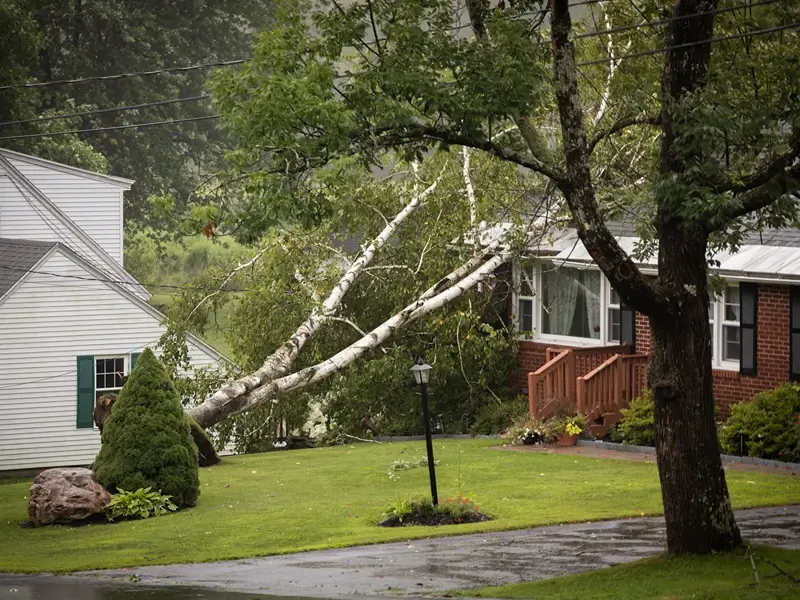
Storm-Driven Water Response
Storm Damage Restoration for Water Intrusion and Flooding
Storms bring more than wind and rain. Roof leaks, wind-driven water intrusion, and flooding can all lead to standing water and hidden moisture long after the storm itself has passed.
Storm damage restoration focuses on the water left behind, removing standing water, drying affected materials, and documenting everything for your insurance claim. Certified technicians respond quickly after severe weather to limit how far that moisture spreads through your property.
Call Now for Emergency Storm Damage Restoration
Water from a storm can spread through a property quickly, especially if a roof leak or flooding goes unnoticed for hours. Certified technicians respond quickly to extract water, begin drying, and protect your property from further damage.
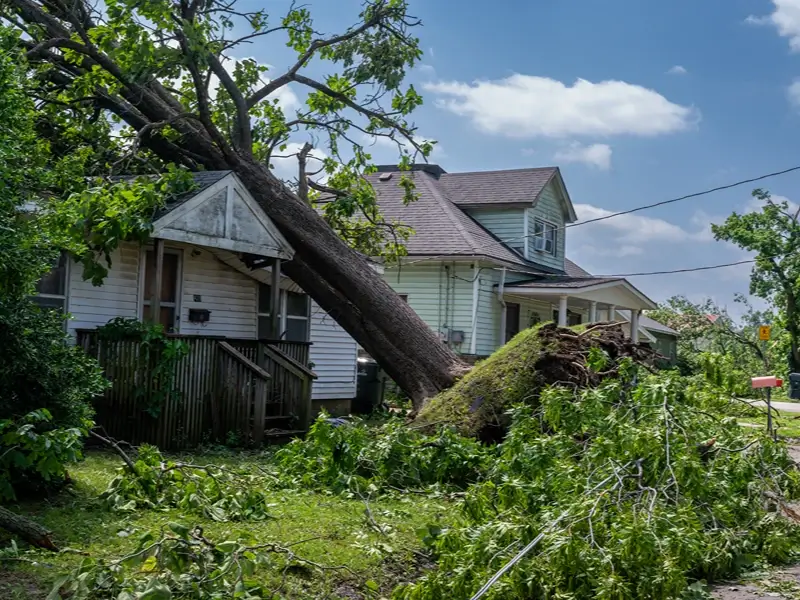
After the Storm
Why Storm Water Intrusion Escalates Fast
Storm damage repair often starts well after the storm itself has moved on, once water has already made its way into a roof, a window frame, or a foundation crack. By the time it’s noticed, moisture may have already reached insulation, drywall, and flooring.
Fortis Restoration Group focuses specifically on the water-related side of storm recovery, removing standing water and drying affected materials rather than handling structural roof or siding repairs directly. Acting quickly after a storm reduces both the extent of the damage and the amount of drying required afterward, which keeps the overall recovery timeline noticeably shorter for everyone involved.
Testimonials
What Your Neighbors Are Saying


Signs You Need Storm Damage Cleanup
Storm damage doesn’t always announce itself right away, especially if water entered through a small roof leak or a gap around a window. Recognizing the early signs helps you get ahead of a problem before it spreads.
- Watch for these signs that storm damage cleanup is needed after severe weather:
- Water stains on ceilings or walls: Discoloration appearing after a storm often points to a new leak.
- Damp carpet or flooring: Water tracked in during a storm can soak into carpet and padding quickly.
- Musty odors indoors: A new smell after a storm can indicate trapped moisture somewhere in the property.
- Peeling paint or bubbling drywall: Moisture behind painted surfaces often shows up this way within days.
- Pooling water near windows or doors: Water intrusion around openings can signal a seal or flashing failure.
If any of these signs appear after a storm, scheduling an inspection quickly can help limit further damage.
Focused on the Water
Why Choose Our Storm Response Team
Storm water damage repair works best when the water is addressed quickly, before it has time to spread into materials that are harder to dry or replace. Every storm event is different, so the response needs to match how the water actually entered the property.
Fortis Restoration Group responds 24/7 after severe weather, starting with a walkthrough to identify every point where water may have entered, not just the most obvious one. Extraction equipment removes standing water first, followed by drying equipment positioned based on moisture readings taken throughout the affected area.
Materials that absorbed too much water to dry safely, such as saturated insulation or water-damaged drywall, are removed and documented before replacement. This keeps the drying phase focused on materials that can actually be saved, rather than drying everything indefinitely.
Insurance documentation is built into the process from the first visit, with photos and moisture logs collected to support your claim. Whether the storm caused a single roof leak or widespread flooding throughout a property, the same methodical process applies to every storm-related water loss.
This same standard holds true whether the property is a single home, an apartment community, or a commercial building, so the response stays consistent no matter how large the storm event turns out to be.
Frequently Asked Questions
What kind of storm damage do you handle?
The team focuses on water-related storm damage, including roof leaks, wind-driven rain, and flooding. Structural repairs like roofing or siding are handled through referrals to reliable partners.
How quickly should storm damage cleanup start?
Cleanup should begin as soon as it's safe to enter the property, ideally within the first day, since standing water and trapped moisture can worsen quickly.
Will my insurance cover storm damage restoration?
Many policies cover water damage caused by storms, though coverage can vary depending on the source and your specific policy. Documentation and photos are provided to support your claim.
Can you help if my roof leaked during a recent storm in Gwinnett County?
Yes, water damage from a roof leak is addressed with extraction and drying, and the roof issue itself can be referred to a reliable roofing partner.
Do you offer free inspections after a storm?
Yes, a certified technician evaluates the damage and explains the plan at no cost before any work begins.
How do you determine which materials need to be replaced after storm damage?
Moisture readings are taken throughout the affected area to determine which materials can be dried in place and which have absorbed too much water to save.