
Flood Damage Restoration

Rapid Flood Response
Flood Damage Restoration From Extraction to Documentation
Floodwater doesn’t stay in one place. It travels under flooring, behind baseboards, and into wall cavities before you notice standing water in a room.
Flood damage restoration needs to start quickly to limit how far that moisture spreads and how much it ends up costing to repair.
Certified technicians remove standing water, place drying equipment, and document every affected area so nothing gets missed once the insurance claim process begins.
Call Now for Emergency Flood Cleanup
Flooding can affect an entire property within hours, from finished basements to first-floor living spaces. Certified technicians respond quickly to remove water, place drying equipment, and begin protecting your property from further damage.
Understanding Flood Risks
What Makes Flood Damage So Destructive
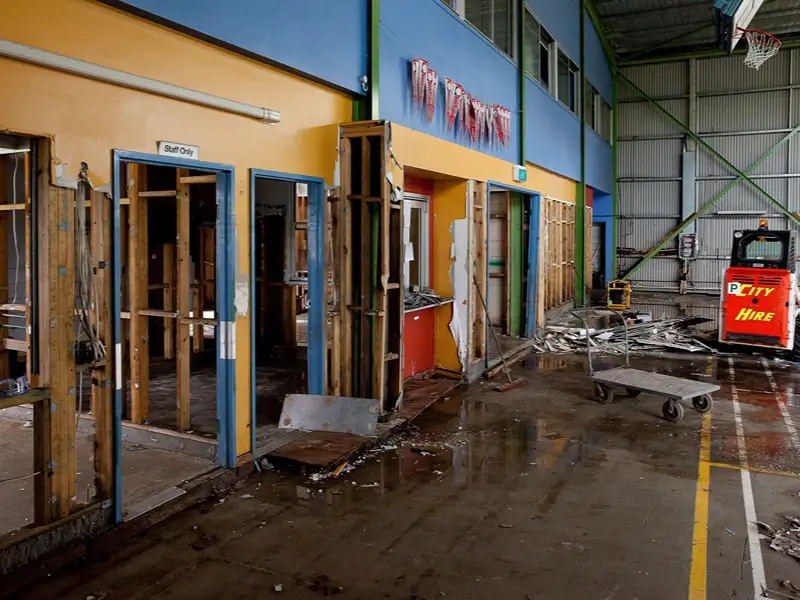
Flood damage restoration involves more than pumping out standing water. Floodwater often carries sediment, debris, and contaminants picked up along the way, which means affected materials sometimes need to be removed rather than dried in place.
Fortis Restoration Group evaluates each flooded house cleanup individually, since a slow seep from a storm drain looks very different from a fast-moving flash flood. Damaged drywall, insulation, and flooring are removed when necessary, then drying equipment is placed to address the moisture left behind in framing and subfloors.
Waiting even a day to start this process gives mold and bacteria more time to take hold in materials that could otherwise have been saved.
Testimonials
What Your Neighbors Are Saying


Signs Your Property Needs Flood Cleanup
Floodwater can leave a property looking dry on the surface while serious damage is developing underneath. Recognizing the warning signs quickly can help limit how much needs to be replaced later.
Watch for these common signs that flood damage cleanup is needed around your property:
- Watermarks or tide lines: A visible line on walls or furniture often shows how high the water rose during flooding.
- Swollen or buckled flooring: Wood and laminate flooring expand and separate when saturated with water.
- Musty or earthy odors: A lingering smell usually points to trapped moisture or the start of mold growth.
- Discolored or sagging drywall: Water travels upward through drywall, leaving stains well above the original flood line.
- Debris or sediment buildup: Silt and grit left behind after flooding often signal that contaminated water was involved.
If any of these signs show up after a storm or plumbing failure, scheduling an inspection quickly helps limit further damage.
One Point of Contact
Why Choose Our Flood Restoration Services
Recovering from a flood often means juggling multiple concerns at once: removing water, protecting belongings, documenting losses, and communicating with an insurance adjuster, all while trying to keep life moving forward. Flood restoration services work best when one team manages that entire process instead of passing you between separate contractors.
Fortis Restoration Group provides a single point of contact from the first call through the final walkthrough, so you’re not repeating the same information to different people at every stage. Extraction equipment removes bulk water first, followed by the selective removal of materials that can’t be safely dried, such as saturated insulation or particleboard cabinetry.
Once the space is cleared, industrial drying equipment and moisture meters take over, targeting the framing, subfloors, and wall cavities where hidden water tends to linger. Readings are tracked throughout the project, not estimated once at the start, so the drying phase ends when the materials are actually dry rather than on a fixed schedule
Insurance documentation is handled alongside the physical work, with photos, moisture logs, and direct adjuster communication built into the process from day one. The result is a flood recovery that feels organized instead of overwhelming, even when the damage itself is significant.
Frequently Asked Questions
How quickly should flood damage cleanup begin?
Cleanup should start as soon as it's safe to enter the property, ideally within the first day. Gwinnett County's humidity can speed up secondary issues if wet materials sit for multiple days.
Is floodwater dangerous to clean up on my own?
Floodwater can carry sediment, debris, and contaminants depending on its source, so it's best to avoid direct contact until a certified technician has assessed the situation.
Will my insurance cover flood damage restoration?
Coverage depends on your policy and whether flood insurance is included separately from a standard homeowner's policy. Documentation and photos are provided to support whichever claim applies.
Do you remove damaged materials, or just dry them?
Both, depending on the situation. Materials that absorbed contaminated water or can't be fully dried are removed, while everything else is dried and monitored in place.
Can you help with flooded basements as well as main living areas?
Yes, flood restoration services cover basements, crawl spaces, and any other area affected by flooding, whether residential or commercial.
What should I do immediately after discovering a flooded house?
If it's safe, turn off electricity to affected areas and avoid walking through standing water. Call for an inspection as soon as possible to begin the cleanup process.
Do you offer free on-site inspections for flood damage?
Yes, a certified technician evaluates the property and explains the recovery plan at no cost before any work begins.