
Basement Flood Cleanup
Fast Basement Response
Basement Flood Cleanup for Stormwater and Plumbing Failures
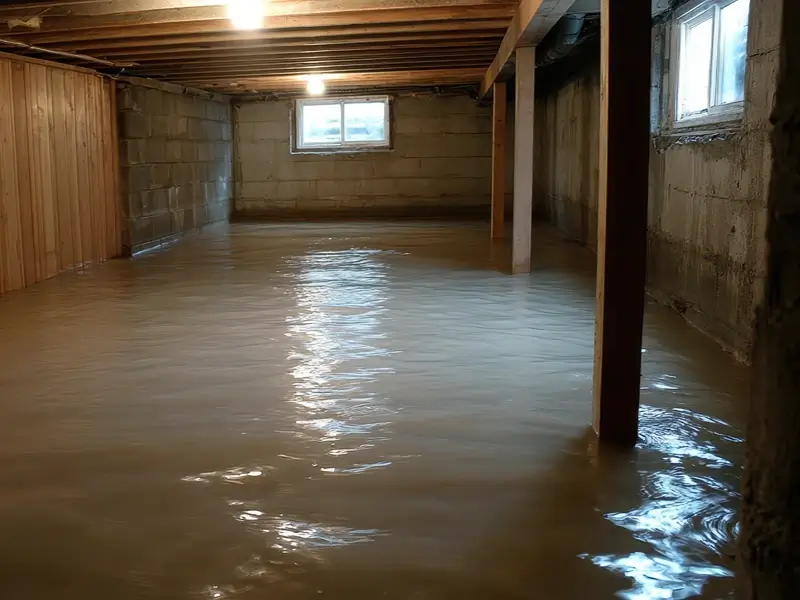
Basements sit below ground level, making them the first place water collects after heavy rain, a plumbing failure, or an appliance leak. Once water gets in, it spreads quickly across flooring, belongings, and framing.
Basement flood cleanup starts with removing standing water fast, then drying the space to prevent mold or warped materials. Certified technicians assess both finished and unfinished basements based on what’s stored there.
Call Now for Emergency Basement Flood Cleanup
A flooded basement can damage flooring, drywall, and stored belongings within hours. Certified technicians respond quickly to extract water, begin drying, and help protect the rest of your property from further damage.
Why Basements Flood
Common Causes of a Flooded Basement
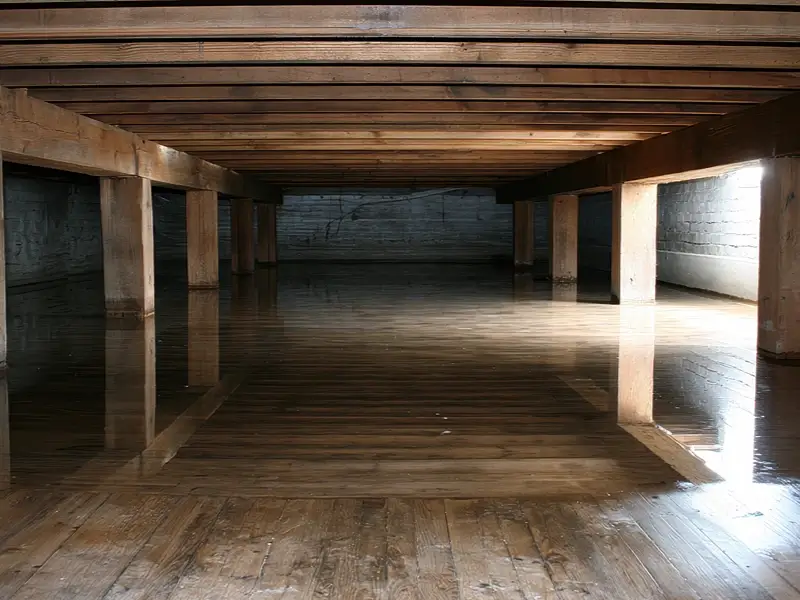
Flooded basement cleanup often starts with figuring out where the water actually came from, since the source affects how the space needs to be handled. Heavy rain and poor grading can push groundwater through foundation walls, while a burst pipe or failed sump pump can flood a basement from the inside in a matter of minutes.
Fortis Restoration Group treats every basement differently based on what’s stored there and how the space is finished. A basement used for storage might need less structural attention than a finished living area with carpet, drywall, and electrical outlets close to the floor. Identifying the water source early also helps prevent the same flooding from happening again.
Testimonials
What Your Neighbors Are Saying


Signs You Need Basement Water Removal
A basement can hold onto moisture long after a flood or leak appears to be over, especially in areas that are rarely used or checked. Knowing the warning signs helps you catch problems before they spread to the rest of the property.
Watch for these signs that basement water removal is needed around your home:
- Standing water on the floor: Even a shallow layer of water should be removed as soon as possible.
- Damp or musty basement smells: A persistent odor often points to trapped moisture somewhere in the space.
- Water stains on walls: Discoloration near the floor line can indicate past or ongoing water intrusion.
- Efflorescence on concrete: A white, powdery residue on foundation walls often signals moisture moving through the concrete.
- Warped baseboards or trim: Wood that swells or separates from the wall usually means it absorbed excess water.
If any of these signs show up in your basement, scheduling an inspection can help confirm the extent of the problem.
Protecting What's Stored
Why Choose Our Basement Cleanup Team
Basements often double as storage space, laundry rooms, or finished living areas, which means a flood can affect more than just the structure itself. Basement water damage cleanup needs to account for both the building materials and whatever belongings happen to be stored down there.
Fortis Restoration Group starts by removing standing water with extraction equipment sized for the space, whether that’s a small utility room or a fully finished basement apartment. Belongings that can be salvaged are moved and separated from wet materials as quickly as possible, while items that can’t be saved are documented before removal.
Once the water is gone, drying equipment is placed based on moisture readings taken throughout the basement, including areas behind walls and beneath flooring where hidden dampness tends to linger the longest. This step counts just as much in a basement as anywhere else in the property, since below-grade spaces often have less airflow to begin with.
Insurance documentation is handled alongside the physical work, with photos and moisture logs collected throughout the project. Whether the flooding came from a storm, a plumbing failure, or a failed sump pump, the same careful process applies to every basement, regardless of how finished or how full of belongings it happens to be.
Frequently Asked Questions
What usually causes a basement to flood?
Heavy rain, poor drainage around the foundation, burst pipes, and sump pump failures are among the most common causes in Gwinnett County.
How quickly should basement flood cleanup start?
Cleanup should begin as soon as it's safe to enter the space, ideally within the first day, since standing water can quickly damage flooring and stored belongings.
Can you save items stored in a flooded basement?
Many items can be dried and cleaned depending on the material and how long they were exposed to water. Items are assessed individually during the cleanup process.
Will insurance cover basement water removal?
Coverage depends on the cause of the flooding and your specific policy. Documentation and photos are provided to support whichever claim applies.
Do unfinished basements need the same level of cleanup as finished ones?
The approach differs somewhat, but both types need prompt water removal and drying to prevent mold growth and structural issues over time.
Do you offer free inspections for flooded basements?
Yes, a certified technician evaluates the basement and explains the recovery plan at no cost before any extraction work begins.